
Texas Residential Solar Panels: Complete 2026 Guide to Costs & Incentives
Everything Texas homeowners need to know about going solar in 2026. Costs, federal tax credits, utility rebates, REP buyback plans, battery storage & top installers.
Texas is one of the fastest-growing solar markets in the United States, and for good reason. The Lone Star State offers abundant sunshine, some of the most volatile electricity prices in the country, and a deregulated energy market that makes solar an especially powerful tool for homeowners to take control of their energy costs. This comprehensive guide covers everything you need to know about residential solar installation in Texas — including costs, incentives, savings potential, the best solar companies, and how the unique Texas electricity grid affects your solar strategy.
How Much Do Solar Panels Cost in Texas?
The average cost of a residential solar panel system in Texas ranges from $13,000 to $27,000 before incentives, depending on your home's size and energy consumption. Most Texas homes run significant air conditioning loads, requiring larger systems — typically 8-12 kilowatts (kW). Texas solar costs generally run between $2.20 and $2.80 per watt, making it one of the more affordable states for solar installation due to high market competition.
Here's a breakdown of typical system sizes and costs:
| System Size | Cost Before Incentives | Cost After Federal Tax Credit | Typical Home Size | Est. Monthly Savings |
|---|---|---|---|---|
| 6 kW | $13,200 – $16,800 | $9,240 – $11,760 | Under 1,500 sq ft | $80 – $110 |
| 8 kW | $17,600 – $22,400 | $12,320 – $15,680 | 1,500 – 2,000 sq ft | $110 – $150 |
| 10 kW | $22,000 – $28,000 | $15,400 – $19,600 | 2,000 – 2,800 sq ft | $150 – $200 |
| 12 kW | $26,400 – $33,600 | $18,480 – $23,520 | 2,800+ sq ft | $200 – $260 |
Several factors influence your final installation cost including roof pitch and complexity, shading from trees or nearby structures, panel brand and efficiency, inverter type (string vs. microinverter), and whether you add battery storage. Texas's extreme summer heat can also affect panel output slightly, making high-efficiency panels worth the premium for many homeowners.
Texas Solar Incentives and Tax Credits
While Texas doesn't have a state income tax, making certain state-level credits unavailable, it still offers a solid combination of federal incentives, local utility programs, and property protections that make solar a strong investment.
Federal Investment Tax Credit (ITC)
The federal solar Investment Tax Credit (ITC) is the most significant incentive available to Texas homeowners. It allows you to deduct 30% of your total solar installation costs directly from your federal tax bill. On a $22,000 system, that's $6,600 back in your pocket. The ITC is available through 2032 at 30% before phasing down, and applies to both solar panels and battery storage systems installed simultaneously.
Texas Property Tax Exemption
One of the best solar incentives in Texas is the 100% property tax exemption on the added home value from solar panels. Since solar typically increases home value by 3–4%, this exemption can save Texas homeowners hundreds of dollars per year in property taxes. This protection is enshrined in Texas state law and applies regardless of which county you live in.
No State Sales Tax on Solar Equipment
Texas exempts solar energy devices from the state's 6.25% sales tax, saving homeowners roughly $825–$1,750 on a typical installation. Some local jurisdictions also waive their additional sales taxes on solar equipment.
Local Utility Rebates
Several Texas utilities and municipalities offer additional rebates and incentives on top of the federal tax credit:
- Austin Energy offers a rebate of up to $2,500 for qualifying residential solar systems, plus a Value of Solar Tariff that compensates customers for exported energy
- CPS Energy (San Antonio) provides rebates of up to $2,500 and a Battery Incentive Program offering up to $2,500 for paired battery storage
- Oncor / TXU Energy territories offer various net metering and solar buyback programs through retail electric providers
- Pedernales Electric Cooperative and other co-ops offer member rebates in eligible service territories
Always check with your specific utility or retail electric provider (REP) for current program availability, as Texas's deregulated market means incentives vary widely by provider.
Net Metering and Solar Buyback in Texas
Texas does not have a statewide mandatory net metering law. Instead, the deregulated Texas electricity market (ERCOT grid) means your compensation for excess solar energy depends entirely on your Retail Electric Provider (REP) and the plan you choose.
This is actually a significant advantage for savvy Texas solar owners — you can shop for the best solar buyback plan. Several Texas REPs offer competitive solar buyback rates:
- Rhythm Energy — Offers 1:1 buyback, crediting exported solar at the same rate you pay for electricity
- TXU Energy — Solar buyback plan with competitive export credits
- Green Mountain Energy — Solar-friendly plans with buyback options
- Reliant Energy — Time-of-use plans that can complement solar generation
Choosing the right REP can significantly impact your solar ROI, making this a critical step unique to Texas homeowners that doesn't exist in other states.

How Much Can You Save with Solar in Texas?
Texas electricity prices are among the most volatile in the nation due to the state's independent ERCOT grid. Summer heat waves regularly drive spot prices to extreme highs, and events like Winter Storm Uri in 2021 demonstrated just how exposed Texas homeowners can be to grid instability. Solar provides both financial savings and insulation from these price spikes.
Most Texas homeowners see a payback period of 6-9 years and lifetime savings of $25,000–$65,000 over 25 years, depending on energy usage, system size, and the buyback plan selected.
Example Savings Scenario — Houston homeowner:
| Factor | Detail |
|---|---|
| Average monthly electric bill | $220 |
| System size needed | 10 kW |
| Total system cost | $25,000 |
| Federal tax credit (30%) | –$7,500 |
| Net cost after incentives | $17,500 |
| Annual electricity savings | $2,100 |
| Payback period | 8.3 years |
| 25-year estimated savings | $52,000+ |
Solar is particularly valuable in Texas cities with high average electricity usage. Dallas, Houston, San Antonio, and Austin homeowners with central air conditioning running 6+ months per year are ideal solar candidates.
Additionally, Texas homes with solar sell for approximately 3–4% more than comparable homes without solar, and the property tax exemption means you capture that value without paying more in taxes.
Texas Solar Installation Process
Understanding the timeline helps you plan your transition to solar power. Here's what to expect in Texas:
1. Energy Audit and System Design (1–2 weeks)
A reputable Texas solar installer will begin with a thorough assessment of your home's energy consumption, roof orientation, shading, and structural condition. Texas homes often require larger systems due to air conditioning demand, so accurate sizing is essential. Your installer will design a custom system and provide a detailed proposal showing projected production, savings, and payback period.
2. Permitting (1–4 weeks)
Solar installations require building permits from your local city or county. Permitting timelines vary considerably across Texas — Austin and San Antonio have streamlined solar permitting, while some rural counties take longer. Your installer should handle all permitting paperwork. Texas House Bill 3767 limits local governments from imposing unreasonable restrictions on solar installations, protecting homeowner rights.
3. HOA Considerations
If you live in a neighborhood with a Homeowners Association (HOA), Texas law (Property Code Section 202.010) restricts HOAs from prohibiting solar panels, though they may regulate placement for aesthetic reasons. Check with your HOA before signing a solar contract, but know that they cannot legally block your installation.
4. Installation (1–3 days)
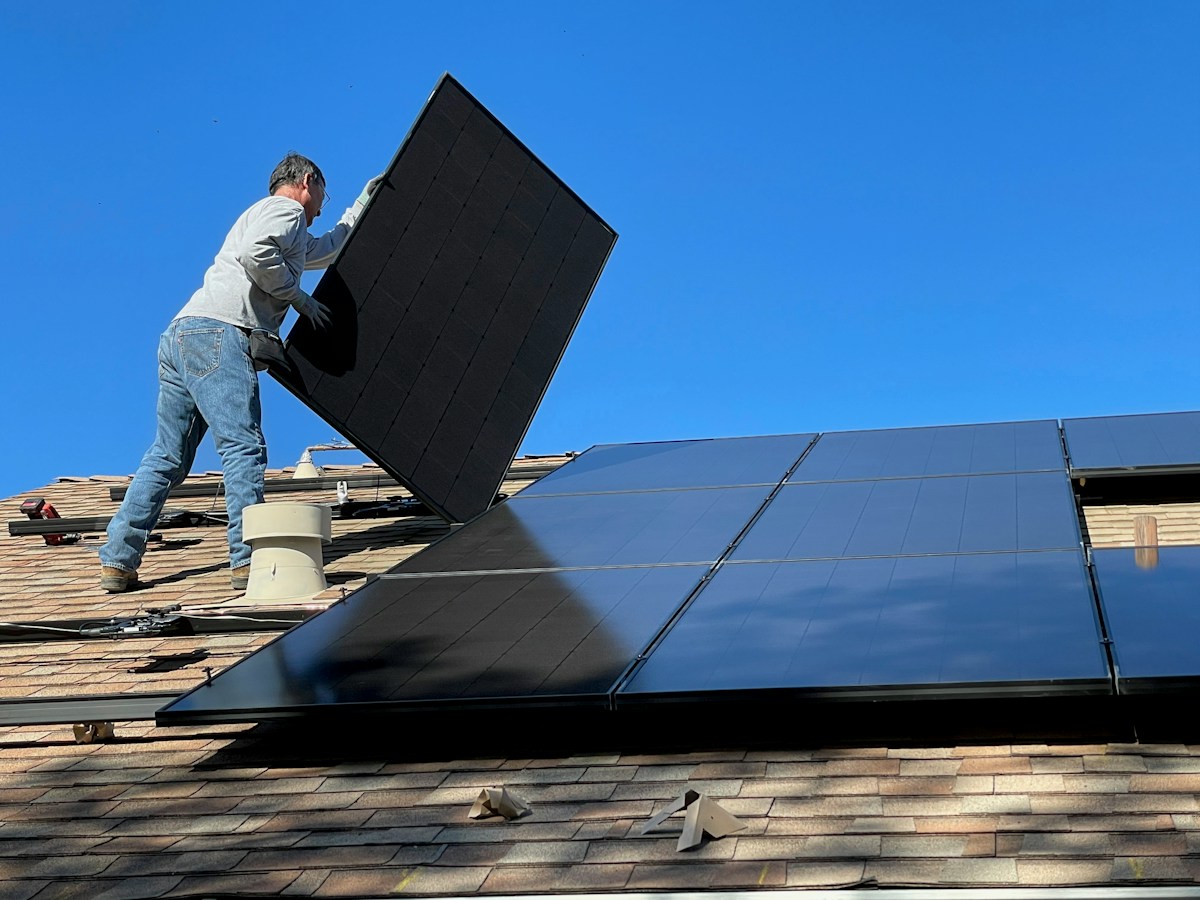
Installation is typically quick. A Texas residential system takes 1–3 days to install, depending on size and roof complexity. Installers will mount the racking system, secure panels, install inverters (often in your garage or utility room), and connect to your electrical panel.

5. Inspection and Grid Interconnection (2–6 weeks)
After installation, a city inspector must sign off on the system. You'll then apply for interconnection with your local Transmission and Distribution Utility (TDU) — either Oncor, AEP Texas, CenterPoint, or another provider — to get your bidirectional meter installed. This is the most common delay in the Texas process.
6. Choosing Your Solar REP
Once interconnected, you'll need to switch to (or stay with) a Retail Electric Provider that offers a solar buyback plan. This is a step unique to Texas that most other states don't require — and it's an opportunity to significantly optimize your solar economics. Your installer should guide you through this process.
Total timeline from signing a contract to generating solar power is typically 2–4 months in Texas.
Solar Financing Options in Texas
Texas homeowners have several ways to finance a solar installation:
Cash Purchase
Paying cash delivers the best long-term return. You receive the full 30% federal tax credit, own the system outright, and begin saving immediately. If you have the funds available and plan to stay in your home, cash purchase maximises lifetime savings.
Solar Loans
Solar loans are the most popular financing method in Texas. They allow you to own your system — and claim all tax benefits and incentives — while spreading payments over 10–25 years. Many Texas solar lenders offer $0 down with rates from 3.99–8.99%. A well-structured solar loan often results in monthly payments lower than your previous electric bill from day one.
Several Texas-specific financing sources include:
- Credit unions like RBFCU, Amplify, and Navy Federal
- Texas State Affordable Energy Program (SAFE) financing
- National solar lenders including Sunlight Financial, Mosaic, and GreenSky
Solar Leases and Power Purchase Agreements (PPAs)
With leases and PPAs, a third party owns the system and you pay either a fixed monthly lease or a per-kWh rate. While these have no upfront cost, you don't own the system, receive no tax credits, and save less over time. They also complicate home sales. Leases and PPAs are less common in Texas now as loan options have become more competitive.
PACE Financing (Property Assessed Clean Energy)
PACE financing is available in some Texas jurisdictions. Repaid through your property tax bill over 10–25 years, PACE loans transfer with the property on sale. Check eligibility in your city or county before pursuing this option.
Should You Add Battery Storage in Texas?

After Winter Storm Uri knocked out power to millions of Texas homes in February 2021, battery storage has become far more than a financial decision for many Texans — it's a resilience strategy. Here's why Texas homeowners are pairing batteries with solar at higher rates than almost any other state:
- Grid vulnerability: ERCOT operates independently from the national grid, and Texas has experienced multiple grid emergency events. Battery storage keeps your lights on when the grid goes down
- Extreme weather: From summer heat waves to ice storms, Texas weather is brutal and grid stress events are increasingly common
- No mandatory net metering: Since buyback rates depend on your REP contract, battery storage lets you use more of your own solar energy rather than selling it back at potentially unfavorable rates
- Federal tax credit: Battery storage installed with solar qualifies for the 30% ITC, significantly reducing cost
- CPS Energy rebates: San Antonio homeowners can receive up to $2,500 in battery rebates from CPS Energy
Popular battery options for Texas homes include the Tesla Powerwall 3 (13.5 kWh), Enphase IQ Battery 5P, Franklin WH, and Generac PWRcell. Batteries typically add $10,000–$18,000 to your installation before the tax credit. For most Texas homeowners, especially outside of cities with strong buyback programs, battery storage is a worthwhile investment.
Is Solar Worth It in Texas in 2026?
Absolutely — Texas ranks among the top five states for residential solar value. Here's the full case:
- Texas receives an average of 204–228 sunny days per year, giving solar systems excellent production potential year-round
- Electricity rates have risen sharply and continue to increase — solar locks in your energy cost for 25+ years
- The 30% federal tax credit, property tax exemption, and sales tax exemption combine for substantial savings
- The deregulated REP market means you can choose solar-friendly plans and optimise buyback rates
- Solar adds home value without increasing property taxes
- Energy independence from ERCOT grid instability is a growing priority for Texas homeowners
- Texas is committed to expanding renewable energy capacity — the regulatory environment is solar-friendly
Solar makes the most sense for Texas homeowners who have electric bills over $130/month, own their home, have a south or west-facing roof with reasonable sun exposure, plan to stay for at least 5–7 years, and have a roof in good condition. West-facing panels are particularly valuable in Texas because they produce more power during the hot afternoon peak hours when electricity is most expensive.
Solar in Texas by City
Texas is a large and diverse state. Here's a quick overview of solar conditions by major metro area:

Houston Houston receives excellent solar irradiance and has a large, competitive installer market keeping prices low. CenterPoint Energy handles interconnection. Many Houston homeowners pair solar with whole-home backup given the city's hurricane exposure.
Dallas / Fort Worth The DFW metroplex is Oncor territory with a well-developed solar market. Strong summer sun makes for excellent solar production. The highly competitive installer market means good pricing. Note that some Dallas suburbs have HOAs that may restrict panel placement.
San Antonio Served by CPS Energy, San Antonio homeowners benefit from one of the most generous utility solar rebate programs in Texas — up to $2,500 for solar plus $2,500 for battery storage. CPS Energy also has a well-run net metering program.
Austin Austin Energy offers strong solar incentives including a $2,500 rebate and the Value of Solar Tariff. Austin's progressive energy policies and high solar adoption mean experienced local installers and streamlined permitting.
El Paso El Paso receives the highest solar irradiance of any major Texas city and is served by El Paso Electric (EPE). EPE operates net metering for solar customers. The sunny, dry climate makes El Paso one of the best locations for solar in the entire state.
Choosing a Solar Installer in Texas
Texas has hundreds of solar installers ranging from large national companies to small local shops. With such a large market, quality varies considerably. Look for:
- NABCEP certification — The gold standard for solar installer credentials
- Texas Electrical Contractor License — Required for all solar installers in Texas
- Strong BBB rating and Google/Yelp reviews specific to Texas
- Experience with your local utility's interconnection process
- Transparent pricing with itemised quotes showing panels, inverters, racking, labour, and permits separately
- Clear explanation of REP solar buyback options — this is Texas-specific expertise
- Warranty coverage — 25-year panel performance warranty, 12-year product warranty, 10+ year workmanship warranty minimum
- Local references from customers in your area
Always get at least three quotes and ensure they're comparing the same system size and equipment. Be cautious of door-to-door solar salespeople and high-pressure tactics — a reputable Texas installer will give you time to review proposals and never rush a decision.
Next Steps: Going Solar in Texas
Ready to take control of your energy costs and protect yourself from ERCOT grid volatility? Here's how to get started:
- Review your last 12 months of electricity bills to calculate average usage
- Get three quotes from NABCEP-certified Texas solar installers
- Research solar buyback plans from Texas REPs in your area
- Check with your HOA if applicable
- Verify your roof condition — solar installers offer free assessments
- Calculate your federal tax liability to ensure you can fully utilise the 30% ITC
Texas's sunshine, competitive installer market, federal incentives, and property tax protections make residential solar one of the smartest investments a Texas homeowner can make. Whether you're in Houston, Dallas, San Antonio, Austin, or anywhere in between, 2026 is an excellent time to go solar in the Lone Star State.
Get a Free Estimate in Seconds
See how much you can save on your electricity bill with solar power.